Unicorn Autography: A Strategic Guide to Whimsical Typography
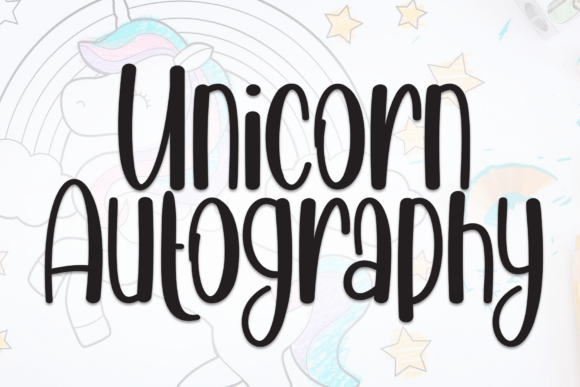
In the crowded digital landscape, visual differentiation is not merely an aesthetic choice; it is a strategic imperative. Unicorn Autography represents a specific typographic approach that leverages the charm of handwritten script to create immediate emotional resonance. Unlike rigid sans-serifs or formal serifs that prioritize pure legibility, this font mimics the fluid motion of a flowing pen, offering a playful and whimsical style that feels inherently human. For entrepreneurs, marketers, and creators, understanding when and how to deploy Unicorn Autography can significantly impact brand perception, customer engagement, and the overall success of creative projects.
The decision to integrate a script font like Unicorn Autography into your design system should never be arbitrary. It requires a clear understanding of your audience's expectations and the specific psychological triggers associated with handwriting. When used correctly, this typeface transforms standard text into a personal message, bridging the gap between a faceless corporation and a relatable individual. However, without a strategic framework, such fonts can undermine credibility or obscure critical information. This guide explores the practical application of Unicorn Autography, focusing on goal-oriented deployment, risk mitigation, and long-term brand value.
The Psychology of Handwritten Fonts in Modern Branding
Typography serves as the voice of your visual identity. While bold geometric fonts communicate stability and authority, Unicorn Autography communicates warmth, creativity, and approachability. The "flowing pen" aesthetic suggests that a real person crafted the message, which aligns perfectly with the modern consumer's desire for authenticity. In an era dominated by automation and AI-generated content, the imperfection inherent in a script font acts as a signal of human effort.
For small business owners and freelancers, this distinction is vital. If your brand positioning relies on trust, intimacy, or unique craftsmanship, Unicorn Autography can serve as a powerful differentiator. Consider a boutique event planner or a handmade jewelry artisan; their clients are not just purchasing a service or product but an experience. Using a font that looks like it was written with care reinforces the narrative of bespoke attention to detail. Conversely, a financial consultancy or a legal firm would likely find this style counterproductive, as the whimsical nature could clash with the required tone of seriousness and precision.
Strategic use involves aligning the font's personality with your core value proposition. Ask yourself: Does my brand promise efficiency and speed, or does it promise connection and joy? If the latter, Unicorn Autography becomes a tool to amplify that promise. It signals to the viewer that they are entering a space where creativity is valued and where rigid corporate structures do not apply. This alignment is crucial for maintaining consistency across all touchpoints, from social media graphics to physical stationery.
Optimizing Use Cases for Maximum Impact
To achieve better results with Unicorn Autography, one must identify high-value scenarios where its characteristics provide a distinct advantage. The font is particularly effective in contexts where emotional engagement is the primary objective.
- Invitations and Event Marketing: Invitations are inherently personal. Whether for a wedding, a birthday party, or an exclusive networking mixer, using Unicorn Autography elevates the perceived importance of the event. It transforms a standard notification into a cherished keepsake. The flowing lines suggest celebration and exclusivity, encouraging higher RSVP rates through an enhanced sense of occasion.
- Quote Graphics and Social Media Content: On platforms like Instagram and Pinterest, visual hierarchy is key. A block of standard text often gets scrolled past. A quote rendered in Unicorn Autography stands out due to its organic shape and rhythm. It invites the user to pause and read, increasing dwell time and shareability. This is particularly useful for lifestyle bloggers and educators who rely on inspirational content to build community.
- Personalized Customer Communications: For businesses aiming to enhance customer experience, adding a handwritten-style signature or header using this font can make automated emails feel more genuine. It softens the blow of transactional messages and adds a layer of hospitality that generic fonts cannot replicate.
- Creative Project Titles: In book covers, album art, or course titles, the whimsical style helps categorize the content immediately. It tells the potential consumer that what follows is imaginative, fun, or unconventional.
However, versatility has limits. Unicorn Autography is rarely suitable for body copy, long-form articles, or technical specifications. The complexity of the strokes and the varying letter widths can strain the reader's eye over extended periods, leading to reduced comprehension and increased bounce rates. Strategic planning dictates reserving this font for headlines, pull quotes, and short phrases where its decorative qualities enhance rather than hinder readability.
Strategic Planning and Decision-Making Frameworks
Before committing to Unicorn Autography for a project, a structured evaluation process ensures that the choice supports your broader goals. Impulsive design decisions often lead to inconsistent branding and wasted resources. Instead, adopt a deliberate approach to typography selection.
Defining Your Communication Goals
Begin by articulating the specific outcome you wish to achieve. Are you trying to convey urgency, luxury, playfulness, or reliability? If the goal is to foster a sense of community or excitement, Unicorn Autography is a strong candidate. If the goal is to establish immediate authority or present complex data, this font may distract from the core message. Always map the font's attributes to your desired user action.
Evaluating Context and Audience Expectations
Your audience's age, industry, and cultural background influence how they interpret visual cues. Adults aged 20–50, particularly those in creative fields or seeking leisure products, generally respond well to whimsical aesthetics. However, if your target demographic consists of traditionalists or professionals in conservative sectors, the "unicorn" aspect might be perceived as unprofessional. Conducting a quick audit of competitor designs and customer feedback can reveal whether this style fits the market norms or disrupts them effectively.
Testing Readability and Accessibility
A critical component of strategic design is accessibility. Unicorn Autography, with its flowing connections and decorative flourishes, can pose challenges for users with visual impairments or dyslexia. Ensure that any text set in this font meets minimum size requirements and maintains sufficient contrast against the background. Never use it for critical calls-to-action (CTAs) or safety instructions where clarity is non-negotiable. A/B testing different font pairings can provide empirical data on which version drives better conversion rates.
Mitigating Risks and Avoiding Common Pitfalls
The allure of a charming font like Unicorn Autography can sometimes overshadow the need for restraint. Overuse is the most common pitfall, leading to a design that feels cluttered or childish rather than sophisticated. When every element is styled with a whimsical script, nothing stands out, and the visual hierarchy collapses.
Relying solely on this font without considering pairing options is another significant risk. Unicorn Autography works best when balanced with a clean, neutral sans-serif or serif font for body text. This combination allows the script to shine as a focal point while ensuring the supporting information remains legible. Without this balance, the overall communication can become disjointed and difficult to process.
Furthermore, there is the risk of trend fatigue. Whimsical styles can date quickly if they become ubiquitous. To ensure long-term relevance, use Unicorn Autography as part of a timeless brand foundation rather than a fleeting trend. Focus on the underlying emotion—authenticity and warmth—which remains valuable regardless of current design fads. By anchoring the font choice in your core brand values rather than temporary aesthetics, you protect your visual identity from becoming obsolete.
Implementing Intentionality in Creative Projects
To truly leverage Unicorn Autography, move beyond random application and toward intentional integration. Start by creating a style guide that defines exactly where and how the font appears. Specify acceptable sizes, weights, and color combinations. Establish rules for when the font is appropriate and when it should be avoided. This documentation ensures consistency across all team members and external vendors, maintaining a cohesive brand image.
Consider the operational workflow. Does your team have the necessary skills to implement the font correctly? Script fonts often require careful kerning and spacing adjustments to look professional. Investing time in training or hiring designers who understand the nuances of calligraphy-based typefaces will yield better results than attempting a DIY approach without expertise. The difference between a polished, professional look and an amateurish one often lies in these subtle details.
Finally, measure the impact. After implementing Unicorn Autography in your marketing materials, track key performance indicators such as click-through rates, engagement metrics, and customer sentiment. Did the whimsical style increase interaction? Did it improve the perceived value of your offerings? Data-driven insights will inform future decisions, allowing you to refine your strategy and maximize the return on your creative investments.
In conclusion, Unicorn Autography is more than just a decorative element; it is a strategic asset that, when wielded with precision, can enhance your brand's voice and connect deeply with your audience. By understanding its psychological impact, identifying appropriate use cases, and adhering to a disciplined planning process, you can harness its charm to drive meaningful results. Remember that the goal is not simply to look pretty, but to communicate effectively and achieve your business objectives through thoughtful design.