Beyond the Bubble: How Comic Stickers Redefines Modern Visual Communication
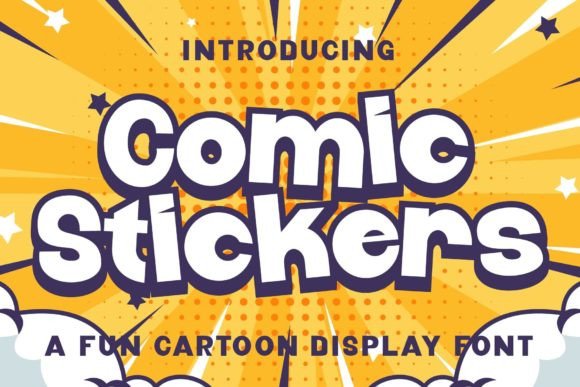
In an era where digital saturation has made it increasingly difficult for brands to capture attention, the visual language of communication is undergoing a significant transformation. We are witnessing a shift away from the sterile minimalism that dominated the early 2010s toward a more textured, human-centric, and emotionally resonant aesthetic. At the forefront of this movement is Comic Stickers, a display font inspired by the playfulness of cartoon typography. This typeface is not merely a collection of characters; it is a strategic tool designed to make designs look more attractive and jolly, bridging the gap between professional branding and genuine human connection.
For professionals, creators, entrepreneurs, and marketers, understanding the power of Comic Stickers requires looking beyond its whimsical appearance. It represents a broader industry trend where authenticity and nostalgia drive consumer engagement. As we navigate a complex digital landscape, the ability to evoke immediate joy and curiosity through typography has become a critical differentiator.
The Evolution of Playful Typography in Professional Design
Historically, comic-style fonts were often relegated to children's media or informal personal projects. However, the design landscape has evolved. The rigidity of corporate sans-serifs is being challenged by a new wave of typographic expression that embraces imperfection and character. Comic Stickers fits perfectly into this evolving narrative. It captures the essence of hand-drawn illustration while maintaining the structural integrity required for professional applications.
This shift is driven by changing consumer expectations. Today's audience, particularly younger demographics like Gen Z and Alpha, values brands that feel approachable and authentic. They are wary of overly polished, algorithmic aesthetics. Instead, they respond to visuals that suggest creativity, imagination, and endless fun. Comic Stickers answers this call by offering a visual style that feels organic and unpretentious, yet sophisticated enough for high-end commercial use.
Why Creatives Are Turning to Cartoon-Inspired Typefaces
The surge in popularity for fonts like Comic Stickers is rooted in the psychology of color and shape. Rounded edges, irregular baselines, and bold strokes trigger positive emotional responses. In marketing, this is known as "affective priming," where the visual stimulus influences how a message is received. When a brand uses a font that looks friendly and inviting, the consumer subconsciously associates those traits with the company itself.
Furthermore, the versatility of Comic Stickers allows it to transcend traditional boundaries. It is no longer just for comics; it is becoming a staple in tech startups, lifestyle blogs, and even financial services aiming to demystify complex topics. By adopting a playful tone, these industries signal that they are user-friendly and innovative. This is a strategic move to humanize the brand experience in a world dominated by cold technology.
Strategic Applications Across Industries
The utility of Comic Stickers extends far beyond simple decoration. Its design characteristics make it exceptionally suitable for book covers, children’s books, comics, posters, packaging, merchandise, logotypes, and many more. Each of these applications benefits from the font's unique ability to command attention and convey a specific mood instantly.
- Packaging and Merchandise: In a crowded retail environment, packaging must stop the scroll—both online and on the shelf. Products utilizing Comic Stickers stand out due to their vibrant, sticker-like quality. This is particularly effective for snack foods, toys, and creative kits where the product promise is fun and excitement.
- Logotypes and Brand Identity: For startups and small businesses, a logo is the first impression. A logotype created with Comic Stickers suggests agility and creativity. It tells a story of a brand that is not afraid to break the mold and engage with its audience on a personal level.
- Digital Content and Social Media: In the realm of social media graphics, readability and impact are paramount. Comic Stickers offers high legibility at large sizes while adding a layer of personality that generic fonts lack. It encourages interaction and sharing, key metrics for digital success.
Enhancing the Reader Experience in Publishing
The publishing industry has long relied on typography to set the tone of a narrative. For children’s books, the choice of font can make or break a child's engagement with the text. Comic Stickers provides a reading experience that feels like an adventure. Its playful structure mimics the energy of a storybook, making it ideal for titles, chapter headers, and pull quotes. Even in adult graphic novels and non-fiction comics, this typeface helps establish a voice that is accessible and engaging, ensuring that the content remains memorable.
Moreover, the font's adaptability allows designers to experiment with layout and hierarchy without losing coherence. Whether used for a bold headline or a subtle accent, Comic Stickers maintains its distinct character, ensuring that the design remains cohesive and visually striking.
Addressing Changing Workflows and Creative Needs
The modern creative workflow is fast-paced and demands efficiency without sacrificing quality. Designers and marketers are constantly seeking assets that can elevate a project quickly. Comic Stickers addresses this need by providing a ready-made solution that requires minimal tweaking to achieve a professional look. Its inherent "sticker" aesthetic means that it often integrates seamlessly with other illustrative elements, reducing the time spent on custom vector work.
Additionally, the rise of remote collaboration and digital-first workflows has changed how teams approach design. Assets that are versatile across platforms—from mobile apps to print billboards—are highly valued. Comic Stickers excels in this regard, scaling well across various mediums while retaining its charm. This scalability makes it a practical choice for agencies managing multiple client needs simultaneously.
Entrepreneurs and freelancers, who often wear many hats, find particular value in this typeface. It allows them to produce high-quality, distinctive work without needing extensive resources. By leveraging the built-in appeal of Comic Stickers, they can create compelling campaigns that resonate with target audiences, effectively competing with larger corporations that have bigger budgets.
The Future of Expressive Branding
As we look forward, the integration of playful typography into serious business contexts is likely to continue growing. The lines between entertainment and commerce are blurring, and brands that can successfully blend these worlds will thrive. Comic Stickers is a prime example of this convergence. It proves that a font can be both fun and functional, capable of driving sales while delighting users.
Do you want to create something that stands out and inspires creativity, imagination, and endless fun? Look no further; this amazing display font is the right choice for you. It represents a commitment to design that prioritizes human emotion and connection. In a market flooded with content, the ability to evoke a smile or spark curiosity is a powerful asset. By embracing the spirit of Comic Stickers, creators and businesses can forge deeper relationships with their audiences and build brands that are not just seen, but felt.
Ultimately, the decision to use a font like Comic Stickers is a statement about the values of the brand. It signals a willingness to embrace joy, to celebrate individuality, and to communicate with clarity and warmth. As the design industry continues to evolve, those who understand the power of such expressive tools will lead the way in shaping the visual culture of tomorrow.
Whether you are designing the next best-selling children's book, launching a disruptive startup, or rebranding an established enterprise, consider the impact of your typographic choices. Let Comic Stickers be the catalyst for a design revolution that brings back the magic of storytelling through the art of lettering.